

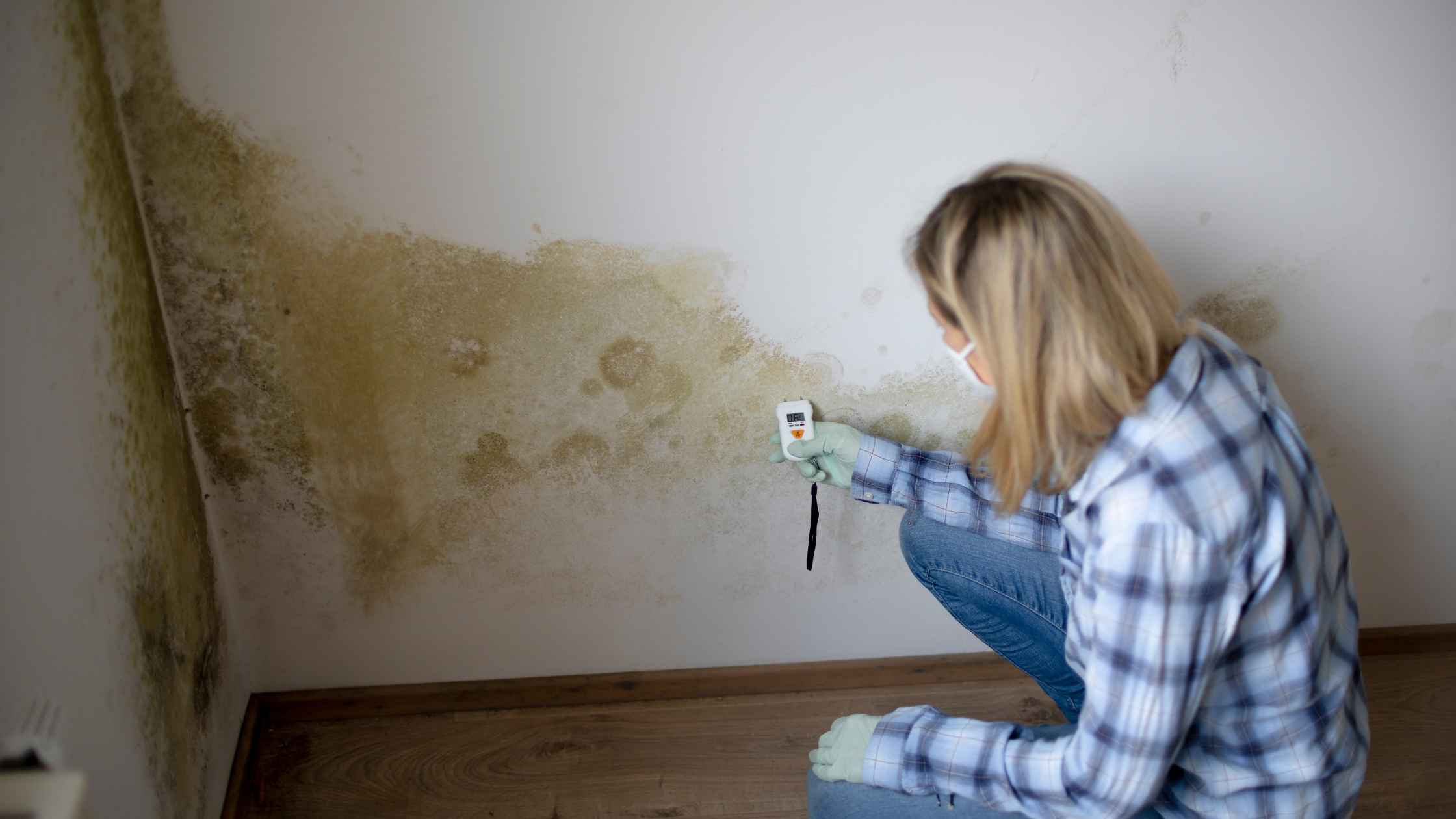
Damp walls destroy more than paint and plaster. They compromise structural integrity, create health hazards through mould growth, and reduce property value significantly. Internal dampness left untreated spreads progressively, escalating repair costs and living discomfort. This guide explains how to treat damp walls internally using a structured, diagnostic approach that delivers lasting results rather than temporary cosmetic fixes.
Treating damp walls internally requires a systematic approach that identifies the type of dampness, addresses root causes, and applies appropriate waterproofing solutions. Quick fixes without proper diagnosis inevitably fail within months.
Contents
- 1 What are the Different Types of Dampness?
- 2 The 6 Steps to Treating Damp Walls Internally
- 3 Sunanda Global’s Internal Damp Treatment Solutions
- 4 Making Your Decision with Sunanda Global
- 5 Frequently Asked Questions
- 6 Q1: Can I treat damp walls without fixing the source of moisture?
- 7 Q2: Will waterproofing alone fix condensation problems?
- 8 Q3: When can I paint after applying waterproofing?
- 9 Q4: What’s the difference between rising damp and penetrating damp treatment?

What are the Different Types of Dampness?
Accurate diagnosis determines treatment success. Three primary dampness types affect internal walls, each requiring specific solutions:
Rising Damp
Rising damp occurs when groundwater moves upward through wall materials. The absence or failure of damp barriers allows moisture to continuously climb walls.
Signs: Damp patches at the base of walls, tide marks, powdery salt deposits, and peeling paint
Penetrating Damp
Penetrating damp results from water entering through external wall defects. Rain, plumbing leaks, or damaged walls allow moisture to infiltrate from the outside.
Signs: Localized damp patches after rain, moisture around windows or pipes, and worsening on weather-facing walls
Condensation
Condensation forms when warm, moist air contacts cold surfaces. Poor ventilation and inadequate heating create conditions where moisture converts to surface water.
Signs: Water droplets on walls/windows, black mould growth in corners, and improvement with ventilation
Understanding how to treat damp walls internally starts with correct diagnosis, followed by methodical surface preparation and system selection.
The 6 Steps to Treating Damp Walls Internally
Step 1: Identify and Address Root Causes
Treating symptoms without eliminating causes wastes resources and guarantees recurring problems.
- For Rising Damp: Repair or install a damp-proof course and improve external drainage
- For Penetrating Damp: Fix external cracks, leaks, gutters, and roof damage
- For Condensation: Improve ventilation, maintain consistent heating, and use dehumidifiers.
Step 2: Prepare Wall Surfaces Properly
Surface preparation determines waterproofing success. Skipping this step causes premature failure.
- Check the Wall: Start by checking the moisture levels and identifying all damaged areas
- Clean Thoroughly: Clean the surface completely by removing all loose paint, plaster and salt deposits, and scrub away mould with an anti-fungal treatment.
- Repair Damage: Repair any cracks or holes and replace severely damaged plaster. Before going on to the next step, ensure the wall is structurally sound and confirm the surface is dry.
Step 3: Select the Right Waterproofing Solution
Different dampness types need different approaches:
- For Rising Damp: Requires breathable coatings that block new moisture while letting the wall dry out.
- For Penetrating Damp: Needs flexible, polymer-based barrier coatings to seal cracks from the inside
- For Severe Cases: Use high-performance membrane systems for maximum protection.
- For Visible Walls: Use transparent coatings that protect without altering aesthetics
Step 4: Apply the Waterproofing Treatment
Proper application ensures treatment works effectively.
After ensuring the wall is at the correct moisture level, gather your tools and protect the surrounding areas. Then, mix the products as instructed and apply the first coat evenly, working it into the surface. After it dries, apply a second coat for complete coverage.
Coverage Tips:
- Don’t apply too thin
- Ensure all areas are covered
- Pay special attention to corners and edges
- Follow the recommended thickness
Step 5: Allow Proper Drying Time
Don’t rush the drying process. This compromises the treatment.
- Adhere strictly to the product’s drying times: typically 24-48 hours between coats and several days for full cure.
- During this period, keep the area well-ventilated and protect it from rain, moisture, and extreme temperatures.
- Do not paint or decorate until the coating is fully cured.
Step 6: Implement Long-Term Prevention
Treating existing dampness without preventing recurrence wastes investment.
- Control Humidity: Improve ventilation, use dehumidifiers, and maintain consistent heating to minimize condensation
- Maintain the Building: Check for and promptly fix new leaks, keep gutters clear, and ensure external waterproofing is intact.
- Adopt Good Habits: Wipe down condensation, dry clothes outdoors when possible, and avoid blocking vents. Schedule periodic checks for early signs of returning damp.
Sunanda Global’s Internal Damp Treatment Solutions
POLYKOTE 2C – For Rising Damp
A breathable, two-component coating that blocks new moisture while allowing walls to dry out. Ideal for rising damp.
Key Benefits:
- Breathable waterproofing
- Works on damp surfaces
- Non-toxic
- Accommodates minor wall movement
- Salt-resistant
POLYALK WP – For Penetrating Damp
A versatile, flexible coating that forms a strong barrier against water ingress through cracks. Works on most wall types.
Key Benefits:
- Strong and flexible
- Can be applied to damp surfaces
- Cement-compatible
- Suitable for internal and external use
SUNANTIFUNGAL SP – Anti-Fungal Treatment
An essential solution to eradicate existing mould and prevent regrowth on damp walls.
Key Benefits:
- Prevents and treats mould
- Safe for occupied spaces
- Non-corrosive
- Easy application
Making Your Decision with Sunanda Global
For property owners seeking clarity on how to treat damp walls internally, Sunanda Global provides tested systems, technical guidance, and reliable on-site execution. With over 45 years of expertise, Sunanda Global leads in innovation for construction chemical coatings. The company invests 5% of its annual revenue in R&D, focusing 60% of its efforts on LEED-compliant and eco-friendly products.
As a leading waterproofing company, Sunanda’s internal dampness treatment systems provide comprehensive solutions engineered for lasting damp prevention. Reliable on-site execution through trusted waterproofing contractors in Bangalore, Chennai, Delhi, and other major cities ensures proper installation.
Contact Sunanda Global for expert consultation on internal damp treatment solutions for residential and commercial properties.
Frequently Asked Questions
Q1: Can I treat damp walls without fixing the source of moisture?
No. Internal treatment alone rarely works long-term. Moisture keeps entering from the source, eventually overwhelming any coating. Fix the root cause, such as repairing leaks, improving drainage, or installing damp barriers, then apply internal waterproofing for lasting results.
Q2: Will waterproofing alone fix condensation problems?
No. Condensation needs environmental fixes, better ventilation, consistent heating, and sometimes dehumidifiers. Waterproofing can protect surfaces, but won’t stop condensation from forming. Address the room conditions first, then apply protective coatings if needed.
Q3: When can I paint after applying waterproofing?
Wait for complete drying. Different products need different times, some need just a few days, others need a week. Check product instructions. Painting too early traps moisture and solvents, causing the coating to fail and bubble.
Q4: What’s the difference between rising damp and penetrating damp treatment?
Rising damp needs breathable coatings that let trapped moisture escape upward while blocking new water. Penetrating damp needs strong barrier coatings that stop water from coming through cracks. Using the wrong type won’t solve your specific problem effectively.