

Roofs face damage due to exposure to the sun, rain, and extreme temperatures. Small cracks and gaps may seem insignificant now, but they’re only entry points for water damage that might cost a lot in repairs later. Roof sealants offer a protective solution that extends roof life and prevents failures. This guide explains what roof sealants are, how they work, and when they are needed.
Contents
- 1 What are Roof Sealants and How Do They Work?
- 2 What are the 3 Types of Roof Sealants?
- 3 What Roof Sealants Can and Cannot Do
- 4 When Roof Sealants Are Needed
- 5 Application Basics: Getting It Right
- 6 Sunanda’s Professional-Grade Roof Sealant Solutions
- 7 Why Sunanda Global is Your Trusted Partner for Roof Sealant Solutions
- 8 FAQs
- 9 Q1. What is the difference between roof sealant and waterproofing?
- 10 Q2. How long does roof sealant last?
- 11 Q3. Can I apply roof sealant myself?
- 12 Q4. When is the best time to apply roof sealant?

What are Roof Sealants and How Do They Work?
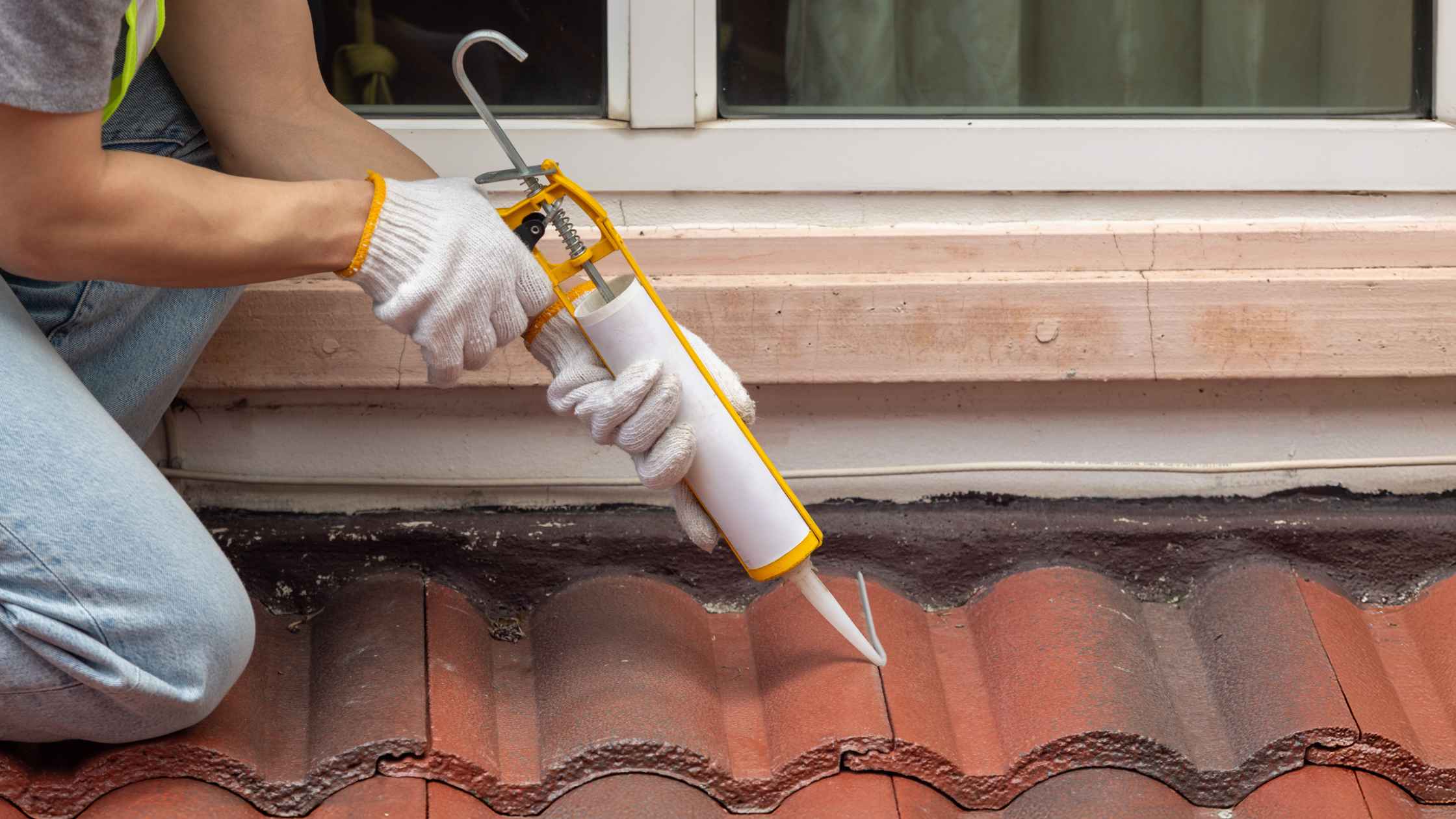
Roof sealant is a protective coating applied to roof surfaces to prevent water infiltration and extend the roof’s lifespan. Think of it as a waterproof barrier that fills micro-cracks, seals gaps, and protects the underlying substrate from weather damage.
When applied to a roof surface, sealants penetrate small cracks and gaps, creating a continuous waterproof membrane. They bond to the substrate and form a flexible layer that accommodates thermal expansion and contraction.
This flexibility is crucial in Indian climates where roofs experience extreme temperature swings between scorching summer days and cooler nights.
Modern roof sealants cure through water-based and moisture-based mechanisms depending on their chemistry. The curing process transforms the liquid sealant into a durable, rubber-like membrane that resists water penetration, UV radiation, and weathering.
What are the 3 Types of Roof Sealants?
The roof sealant market offers multiple chemistries, each with specific advantages:
Acrylic Sealants
Water-based formulations are popular for their ease of application and environmental friendliness. They work well on most roof types and offer good UV resistance.
The primary advantage is simple cleanup with water and low odour during application, making them suitable for occupied buildings. They typically require reapplication every few years.
Polyurethane Sealants
These represent the premium category with superior durability and flexibility. They provide excellent adhesion to various substrates and outstanding weather resistance.
They maintain elasticity across wide temperature ranges, crucial for Indian conditions where roofs may reach extreme temperatures in summer.
Silicone Sealants
Silicone excels in extreme weather conditions and offers exceptional UV resistance. These sealants remain flexible even after years of sun exposure and handle ponding water better than most alternatives.
They’re particularly effective on metal roofs where thermal movement is significant.
What Roof Sealants Can and Cannot Do
| What Roof Sealants Can Do | What Roof Sealants Cannot Do |
| Seal minor cracks and prevent water penetration | Cannot fix structural damage |
| Prevent water penetration through joints | Cannot replace failed waterproofing membranes |
| Provide UV protection | Cannot repair major leaks |
| Extend roof life cost-effectively | Will not work on severely deteriorated substrates |
| Restore ageing waterproofing for a reasonable period | Not designed for standing water |
When Roof Sealants Are Needed
Knowing when to apply sealants maximises their effectiveness:
Preventive Maintenance
Apply sealants when roofs show early ageing signs, but remain in good condition. This prevents minor issues from becoming major problems.
Minor Leak Repairs
Targeted sealant application provides cost-effective repair for specific leak locations such as around penetrations, at joints, or in localized damaged areas.
Between Major Waterproofing Cycles
Strategic sealant applications extend primary waterproofing system life, spreading costs over time while maintaining continuous protection.
After Monsoon Damage
Apply sealants to address issues revealed by heavy rains. Immediate application prevents off-season deterioration and prepares the roof for next season’s weather.
Application Basics: Getting It Right
Proper application determines whether sealants deliver promised performance:
Surface Preparation
Thoroughly clean to remove dirt, debris, moss, and loose material. Repair substrate defects before application. Ensure the surface is completely dry to ensure proper adhesion.
Weather Conditions
Apply between optimal temperatures with humidity below acceptable levels. Protect from rain for specified periods after application.
Check if the substrate temperature is above the dew point to prevent condensation.
Application Technique
Follow the manufacturer’s coverage rates carefully. Multiple thin coats typically outperform single thick coats.
Pay special attention to edges, penetrations, and transitions because these vulnerable areas often receive inadequate coating in rushed applications.
Curing Requirements
Respect the curing time before allowing foot traffic or water exposure. Protect the coating from rain, debris, and traffic during the curing period.
Sunanda’s Professional-Grade Roof Sealant Solutions
When selecting a roof sealant, the right product chemistry makes all the difference. Sunanda Global offers specialized solutions for various applications:
SUNSEAL PS – Two-Part Polysulphide Joint Sealant
Tackles dynamic structural cracks, expansion joints, and curtain wall glazing. Handles extreme building movement while staying flexible from -20°C to 80°C. Available in gun grade (vertical) or pourable grade (horizontal). Recovers to the original width after expansion cycles.
SUNSEAL PU – Single Component Polyurethane Joint Sealant
One-part system for dynamic cracks, window frames, and roofing sheet joints. No mixing required, and it cures with moisture. Self-levelling formula bonds strongly to most building materials. Perfect for quick, time-sensitive repairs.
SUNEPOXY PS – Epoxy Polysulfide Coating
Designed for water tanks, chemical storage, and food processing facilities. Safe for potable water contact. Resists acids, alkalis, and petroleum products. Non-toxic, solvent-free, low VOC, UV-resistant, and has excellent adhesion to many surfaces.
Why Sunanda Global is Your Trusted Partner for Roof Sealant Solutions
With over 45 years of experience in Indian industrial construction, Sunanda Global leads in innovation in construction chemical coatings. We invest 5% of annual revenue in R&D, focusing 60% of our efforts on LEED-compliant and eco-friendly products. We also hold ISO 9001:2015 certification.
As the best waterproofing company in India, our low-VOC, environmentally conscious water leakage solutions deliver top performance. Moreover, Sunanda Global provides full support: from technical advice to vetted partners. With us, you can expect reliable on-site execution through trusted waterproofing contractors in Delhi, Chennai, Hyderabad, Mumbai, and other major cities.
Contact Sunanda Global for roof waterproofing that combines scientific innovation, proven durability, and reliable performance backed by decades of expertise.
FAQs
Q1. What is the difference between roof sealant and waterproofing?
Roof sealant is a protective coating for maintenance or minor repair, typically thinner. Waterproofing is a complete multi-layer system for new roofs or total replacement.
Q2. How long does roof sealant last?
Lifespan varies by type and conditions. Acrylic sealants last several years, polyurethane sealants last longer, and silicone sealants offer maximum durability. Regular maintenance extends performance.
Q3. Can I apply roof sealant myself?
Small repairs may be DIY-suitable with careful attention to instructions. Larger areas or commercial buildings need professional applicators for proper preparation, coverage, and curing.
Q4. When is the best time to apply roof sealant?
Apply during the dry season, when moderate temperatures and no rain are forecast. In most of India, post-monsoon or pre-summer periods offer optimal conditions.