

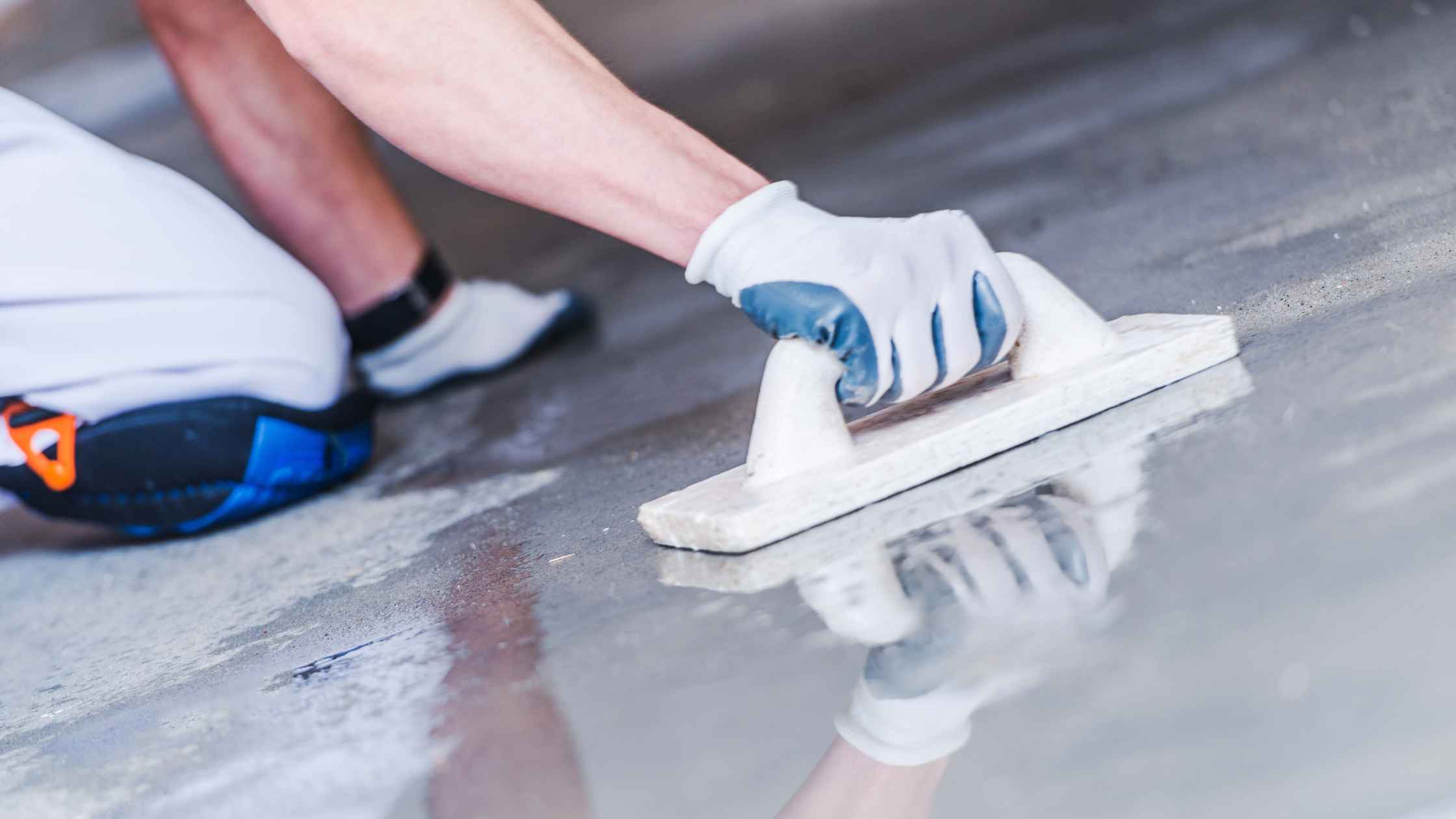
Modern manufacturing industries, heavy industries, electronics manufacturing, food processing facilities, pharmaceutical plants, and commercial kitchens increasingly rely on polyurethane concrete floors for their durability and performance advantages. These specialized flooring systems represent a significant advancement in industrial flooring technology.
Polyurethane concrete floors combine polyurethane resin binder with specially graded aggregates and cementitious components. When applied, they create a monolithic, seamless floor that bonds directly to the concrete substrate. The result is impervious, dense, and engineered to handle conditions that would destroy traditional flooring systems.
Contents
- 1 Why Polyurethane Concrete Floors Are Different from Other Systems
- 2 What are the Different Polyurethane Concrete Floor Systems?
- 3 Why Industries Choose Polyurethane Concrete Floors
- 4 When to Choose Polyurethane Concrete?
- 5 Sunanda Global’s Polyurethane Concrete Solutions
- 6 Why Choose Sunanda Global?
- 7 FAQs
- 8 Q1: What’s the difference between PU concrete and epoxy flooring?
- 9 Q2. Can polyurethane concrete floors be installed in existing facilities?
- 10 Q3. Are these floors suitable for food processing facilities?
- 11 Q4. What maintenance do polyurethane concrete floors require?

Why Polyurethane Concrete Floors Are Different from Other Systems
Traditional Concrete Floors
Basic concrete is porous, prone to chemical absorption, easily stained, and vulnerable to thermal shock. It cracks, dusts, and deteriorates under aggressive conditions.
Epoxy Floor Coatings
Epoxy coatings improved durability, but they have significant limitations. Epoxy becomes brittle and yellows under UV exposure, has limited tolerance for extreme temperature changes, and can degrade when exposed to certain acids, particularly lactic acid, common in food processing.
Polyurethane Concrete Floors
PU concrete systems eliminate these weaknesses. They are flexible enough to absorb impact without cracking, stable across extreme temperature ranges, resistant to a wide range of industrial chemicals, and impervious to moisture and bacterial penetration.
What are the Different Polyurethane Concrete Floor Systems?
Medium Fill System
Best for: General industrial, food processing, pharmaceutical manufacturing
This represents the sweet spot for most industrial applications, specifically engineered for facilities that experience regular thermal cycling from wash-down procedures, moderate to heavy forklift traffic, and exposure to food acids and cleaning chemicals.
Heavy Fill System
Best For: Heavy industrial, cold storage, extreme environments
The thicker application and larger aggregates provide enhanced impact resistance and thermal performance for heavy forklift traffic, extreme thermal shock, and aggressive chemical exposure.
Anti-Static System
Best For: Electronics manufacturing, pharmaceutical packaging, and clean room environments require flooring that safely dissipates static charges.
This system combines all performance characteristics of standard PU concrete with engineered electrical conductivity and provides electrostatic discharge control.
Why Industries Choose Polyurethane Concrete Floors
Unmatched Chemical Resistance
Polyurethane concrete floors resist most chemicals found in industrial environments. In food processing, they handle lactic acid, citric acid, oleic acid, and cleaning chemicals without degradation. In pharmaceutical manufacturing, sanitizing agents and organic solvents do not significantly affect the performance.
Thermal Shock Performance
Food processing facilities routinely experience temperature swings during cleaning cycles. Quality PU systems can handle these thermal shocks repeatedly without performance loss.
Hygienic Surfaces
Traditional tile floors have grout lines where bacteria thrive. Polyurethane concrete floors create monolithic surfaces with no joints or grout lines, impervious surfaces that prevent bacterial penetration, and easy cleaning with steam and high-pressure wash-down.
Best Application Practices
Success begins with proper installation. The concrete substrate must be mechanically abraded to create a clean, rough surface profile. This removes existing coatings and contaminants while ensuring proper adhesion.
Polyurethane concrete requires precise mixing of three components in exact ratios. The mixed material is applied using trowels or squeegees to achieve uniform thickness. A spiked roller removes trapped air bubbles, critical for achieving a dense, void-free floor.
Light foot traffic is typically permitted within 4-8 hours. Complete chemical cure and full mechanical resistance develop within 24-48 hours, depending on system and site conditions.
Maintenance Requirements
One of the most compelling advantages is minimal maintenance. Daily maintenance includes standard dry sweeping, damp mopping with mild detergent, and spill cleanup without floor damage.
Food processing and pharmaceutical facilities use high-pressure hot water wash-down. Properly specified systems handle this aggressive cleaning without surface damage. Steam cleaning and aggressive sanitizing chemicals cause no damage.
PU concrete does not need frequent topcoat refreshing or sealing. Properly installed systems develop minimal damage over their service life.
When to Choose Polyurethane Concrete?
- Any form of thermal shock is present
- Chemical resistance is critical to operations
- Hygiene requirements are stringent
- Long service life is economically important
- Downtime for maintenance must be minimized
- Floor failure carries a significant risk or cost
Sunanda Global’s Polyurethane Concrete Solutions
Sunanda Global offers three specialized polyurethane concrete floor systems engineered for demanding industrial applications:
SUNCRETE PU MF (Medium Fill System)
The formulation for food and beverage production, pharmaceutical manufacturing, commercial kitchens, and most chemical processing environments. It is designed for application at a normal thickness of 4-9 mm. Easy to apply and fast curing.
SUNCRETE PU HF (Heavy Fill System)
Designed for heavy forklift traffic with significant impact loads, extreme thermal shock, and cold storage facilities requiring thermal insulation properties. It is designed to be applied at a thickness of 4-9mm. Excellent resistance to abrasion and a wide range of chemicals.
SUNCRETE PU AS (Anti-Static System)
Combines all performance characteristics of standard PU concrete with engineered electrical conductivity for electronics manufacturing, pharmaceutical packaging, and clean room environments. It is applied to sound, clean, and dry surfaces.
Why Choose Sunanda Global?
With over 45 years of expertise, Sunanda Global invests 5% of annual revenue in R&D, focusing 60% of efforts on LEED-compliant and eco-friendly products. As the best waterproofing company, our low-VOC, environmentally conscious flooring solutions deliver top performance while protecting facilities and the environment.
Sunanda Global provides full support from technical specification assistance to vetted application partners, with trusted waterproofing contractors in Hyderabad, Chennai, Ahmedabad, Mumbai, and other major cities. Our technical team helps select the right system based on specific environmental conditions, operational requirements, and performance expectations while ensuring compliance with safety standards.
Contact Sunanda Global for a free consultation on polyurethane concrete flooring solutions.
FAQs
Q1: What’s the difference between PU concrete and epoxy flooring?
PU concrete is flexible, thermal shock resistant, and handles extreme chemicals. Epoxy is brittle, fails under thermal cycling, and degrades with certain acids. They’re fundamentally different materials.
Q2. Can polyurethane concrete floors be installed in existing facilities?
Yes. The key is proper substrate preparation. The fast cure time (4-8 hours to light traffic) minimizes operational disruption during installation.
Q3. Are these floors suitable for food processing facilities?
Absolutely. SUNCRETE PU MF and PU HF are specifically engineered for food processing environments. They meet FDA and USDA requirements for seamless, impervious, hygienic surfaces.
Q4. What maintenance do polyurethane concrete floors require?
Minimal. Daily sweeping and mopping for routine cleaning. High-pressure wash-down and steam cleaning for deep cleaning. No periodic recoating, sealing, or waxing required.