

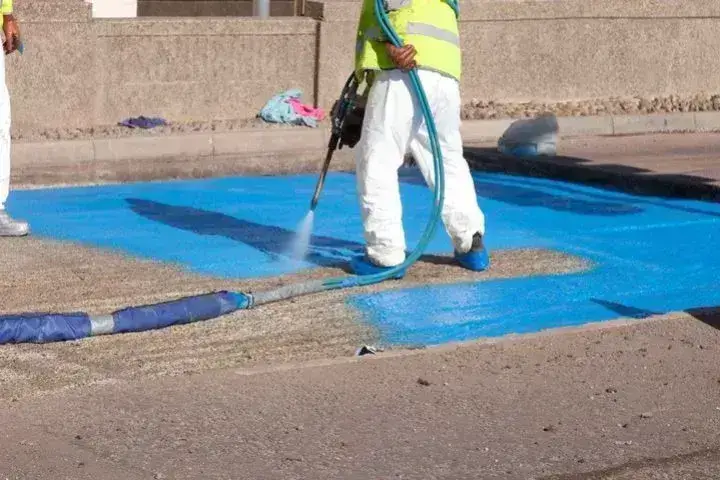
In India, where weather conditions can get intense, epoxy waterproofing is a favourable approach to prevent structural damage and leaks on terraces. It guarantees long-term resistance to the effects of rain, dust, and chemical exposure. For owners seeking both functionality and aesthetics for their terrace spaces, using epoxy as a waterproofing solution is apt. In this blog, you can discover the top six reasons why epoxy waterproofing is perfect for Indian terraces.

What is Epoxy Waterproofing?
Epoxy waterproofing involves using epoxy, a resin-based substance, as a liquid coating ingredient to waterproof water-prone spaces like terraces, bathrooms, or basements. It gives a fresh look to both residential and commercial areas. Some of the components of epoxy waterproofing are:
- Epoxy resin: It is known for its adhesion and durability, making it the ideal choice to block water.
- Curing agent (hardener): When mixed with the resin, the curing agent can harden the mixture. This hinders water from permeating concrete floors and walls.
- Fillers and Additives: These are added to catalyse the properties of the epoxy mixture, like thickness, flexibility, or adhesion. Usually, the fillers and additives are silica, calcium carbonate, or fibres.
- Pigments: To get the preferred coating colour, you can add the respective pigments.
When selecting epoxy for waterproofing, the resin, curing agent, fillers, additives, and pigments together determine the properties of the final waterproofing epoxy system.
Why Epoxy Waterproofing is Perfect for Indian Terraces
Water Resistance Even in Heavy Monsoon
Indian terraces are vulnerable to risks associated with water during the monsoon season. This includes cracks on walls, paint peeling, mould growth, and overall structural deterioration. Performing epoxy waterproofing ensures a reduction in these problems due to the features of the epoxy resin. The hard, thick coating promises water impermeability, even in the most torrential rains. This protects the terrace surfaces from the direct effects of water and guarantees a longer lifespan for the materials used for the terrace construction. In order to make the epoxy roof coating UV-resistant, a polyurethane finish coat may be used.
Durability Despite Climate Changes
Due to the type of use, terraces are likely to have wear and tear soon. Traditional waterproofing may not be able to protect terraces from damage for a long time, but epoxy waterproofing can. The tough epoxy can resist wear and tear for up to 20 years, showcasing its durability. This allows homeowners to save time and money that goes for repair work. Epoxy waterproofing is therefore a long-term solution for terrace waterproofing. This durability also makes epoxy waterproofing for terrace surfaces suitable where long-term protection is required.
Eco-friendly and Safe
Traditional waterproofing materials like tar-based or solvent-based coatings could resume releasing volatile organic compounds (VOCs) even after application. When inhaled, these compounds could lead to breathing issues or skin irritations. They are also toxic to the environment. Epoxy, by contrast, becomes non-toxic after fully cured and does not emit fumes. This is because the components in epoxy waterproofing usually possess low levels of VOCs. Families with kids, the elderly, or pets can confidently proceed with epoxy to waterproof their terraces. Moreover, it is eco-friendly and does not contribute to air pollution compared to traditional waterproofing materials. This makes epoxy waterproofing a responsible choice for residential terraces.
Smooth Finish and Customisable Colours
Coupled with protection is epoxy’s aesthetic appeal. It is available in a wide range of colours and assures seamless finishing. You could go for a sleek modern look or a more colourful, vibrant vibe, both of which are popular choices in Indian households. Waterproof epoxy paint can also provide the required coating colour while maintaining the protective properties of the system.
Easy to Apply and Maintain
Traditional waterproofing often experiences more damage which calls for frequent repair work. Epoxy’s durability and long life ensure minimum maintenance checks. It can easily protect surfaces from dust, and rain which Indian terraces are frequently prone to. Plus, with professional help, epoxy waterproofing is easy and quick to apply. Its low maintenance requirements make it the perfect solution for busy Indian households.
The application requirements for epoxy paint for roof surfaces should always be followed according to the specified coating system.
Epoxy Waterproofing vs Epoxy Flooring
Although both use epoxy-based materials, epoxy waterproofing and epoxy flooring serve different purposes. Epoxy waterproofing is used to protect surfaces against water penetration, while epoxy flooring is designed to provide a durable surface for floors exposed to traffic, abrasion, and other service conditions.
Epoxy flooring materials are selected according to the requirements of the floor and its operating environment. An epoxy floor coating may be used on concrete floors in industrial and commercial applications. These flooring systems should not be confused with epoxy waterproofing for terrace applications, where protection against water ingress is the primary requirement.
Similarly, epoxy grout has its own specific applications and should not be considered interchangeable with epoxy waterproofing or epoxy flooring systems. The selection of epoxy flooring materials, epoxy grout, or waterproofing epoxy should therefore depend on the intended application.
Sunanda’s Epoxy Waterproofing Solution for Indian Terraces
Sunanda is the best waterproofing company, offering a wide range of options for choosing the right epoxy paint, curing compound, and other waterproofing solutions. Our SUNEPOXY PAINT is the perfect solution for all your terrace waterproofing needs.
SUNEPOXY PAINT is a high-performance epoxy coating designed for Indian terraces. It provides a hygienic and chemical-resistant coating, making it ideal for concrete. It offers excellent protection, including an anti-corrosive coating for steel reinforcement. With features such as an abrasion-resistant film, superior chemical resistance, and strong adhesion, it delivers exceptional performance on concrete and metal surfaces.
To use SUNEPOXY PAINT, ensure surfaces are clean, dry, and free from loose materials. Apply the first coat as a primer, wait 2-3 hours, then prepare the paint mix. Follow with two additional coats at 12-hour intervals for optimal results.
Why wait to give your terrace the perfect protection? Contact us today to know the best waterproofing contractors in Delhi, Noida, Bengaluru, Mumbai, and other major cities in India!
FAQs
1. What is epoxy waterproofing?
Epoxy waterproofing involves using a two-component resin system that forms a tough, seamless, and water-resistant coating on concrete surfaces. It protects against moisture, chemicals, and abrasion.
2. Is epoxy waterproofing suitable for terraces?
Yes. Epoxy waterproofing for terrace surfaces provides a durable and water-resistant coating. For areas exposed to direct sunlight, it’s often combined with UV-resistant coatings like polyurethane (PU) for added durability.
3. Can epoxy paint be used for roof waterproofing?
Yes, epoxy paint for roof surfaces can be used where the selected coating is suitable for the substrate and application. A waterproof epoxy paint used in areas exposed to direct sunlight may require a UV-resistant finish such as polyurethane (PU).
4. What is an epoxy roof coating?
An epoxy roof coating forms a protective coating over a prepared surface. For roof and terrace areas exposed to direct sunlight, a polyurethane finish coat may be used to provide UV resistance.
5. How does waterproofing epoxy work?
When mixed and applied, epoxy resin and hardener react to form a dense, non-porous film that seals the surface and prevents water penetration or leakage. This allows the cured epoxy to function as epoxy for waterproofing suitable surfaces.
6. What is the difference between epoxy waterproofing and epoxy flooring?
Epoxy waterproofing is primarily used to protect surfaces against water penetration. Epoxy flooring is designed for floor surfaces exposed to traffic, abrasion, and other service conditions. An epoxy floor coating should therefore be selected according to the intended flooring application.
7. What is epoxy grout used for?
Epoxy grout is an epoxy-based material used for grouting applications. Its purpose is different from epoxy waterproofing and epoxy flooring, so these systems should not be treated as interchangeable.
8. Can epoxy waterproofing be applied over old concrete?
Yes, provided the surface is thoroughly cleaned, repaired, and primed. Proper preparation ensures strong adhesion and long-term performance.

Your point of view caught my eye and was very interesting. Thanks. I have a question for you.
Thank you for your comment. Sure, how can we help you?